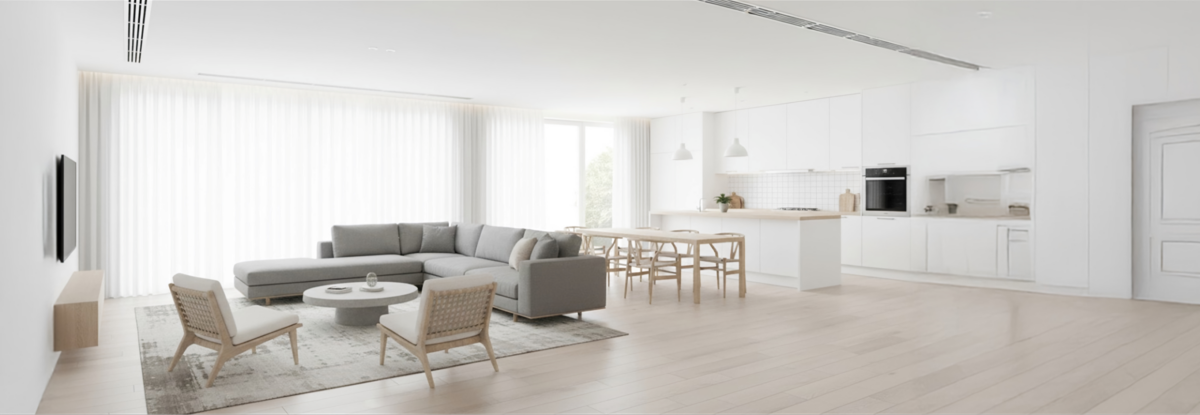
Single Zone vs. Multi Zone Mini Splits


Single-Zone vs Multi-Zone Mini Splits: Which One Do You Need?
Choosing between a single-zone and a multi-zone mini split is one of the most important decisions you’ll make when planning your HVAC upgrade. The right choice depends on how many rooms you want to condition, how your home is laid out, and how much flexibility you want in temperature control.
This guide breaks everything down—how each system works, when to choose which, and how to avoid the most common sizing and configuration mistakes.
If you’re unsure where to begin, start with our mini split sizing tool for a quick recommendation.
- What Is a Single-Zone Mini Split?
A single-zone mini split uses one outdoor condenser and one indoor air handler. It is designed to heat and cool a single room or space.
Ideal for:
- Bedrooms
- Offices
- Basements
- Garages and workshops
- Bonus rooms
- Small apartments or studios
Benefits of single-zone systems:
- Most affordable setup
- Simplest installation (DIY options available)
- Best efficiency for individual rooms
- Quiet, targeted comfort
Explore models → MRCOOL DIY single-zone systems
If you’re not sure whether one room qualifies as a “zone,” review how zoning works in mini split systems.
- What Is a Multi-Zone Mini Split?
A multi-zone mini split uses one outdoor unit paired with two to five indoor units. Each indoor head controls a different room or space.
Ideal for:
- Homes with multiple bedrooms
- Living room + kitchen combinations
- Open floor plans
- Finished basements
- Whole-home ductless systems
Benefits of multi-zone systems:
- Independent temperature control per room
- Cleaner installation than running multiple single-zone systems
- More flexibility for future expansion
- One outdoor footprint
Browse systems → MRCOOL multi-zone mini split systems
If your home already has ductwork and you want whole-home airflow, consider What Size Mini Split Do I Need?
- How Many Zones Does Your Home Actually Need?
Every home is different, but here are common patterns:
Choose 1 Zone if:
- You’re conditioning an isolated room
- Your home already has central HVAC but one space needs extra comfort
- You’re converting a garage or basement
- The area is under 1,000 sq ft
Choose 2–3 Zones if:
- You want to condition bedrooms + living spaces
- You have a split-level home
- You want separate control for offices and shared spaces
Choose 4–5 Zones if:
- You want whole-home control
- Bedrooms, basement, and living areas all need their own comfort settings
- You’re replacing an entire ducted system with ductless zoning
Still unsure? Start with the mini split sizing tool or review the sizing principles in What Size Mini Split Do I Need?.
- How Refrigerant Routing & Line Sets Affect Your Choice
Single-zone systems use a single pre-charged line set. Multi-zone systems require multiple line sets—one for each indoor unit.
Longer line runs can affect performance. If your installation spans multiple floors or long distances, review the Full Line Set Length Guide.
For multi-room layouts, always check how your rooms connect and how routing will impact installation costs and appearance.
- Installation Differences (DIY vs Pro)
DIY (Single-Zone & Select Multi-Zone Models)
Some MRCOOL systems are designed for true DIY installation using pre-charged QuickConnect line sets, which require no vacuum pump, gauges, or refrigerant handling.
See what comes in the box → what’s included in a MRCOOL DIY kit
Pro Installation (Most Multi-Zone Systems)
Required when:
- You’re installing 3–5 indoor units
- You need long or concealed line-set routing
- You’re using attic or wall cavities
- You want refrigerant lines hidden entirely
Compare installation paths → DIY vs pro mini split installation
- Cold-Climate Considerations
If you live in a region with freezing temperatures, your decision may change.
Single-zone systems often outperform multi-zone units in extreme cold because:
- Shorter line-set runs improve efficiency
- One room receives the full heating output
- Less refrigerant distribution complexity
Multi-zone systems can perform well in cold climates, but require proper:
- BTU sizing per zone
- Outdoor unit sizing
- Line-set lengths and routing
- Placement considerations
Learn more → mini splits for cold climates
- Cost Differences: Upfront, Long-Term & Installation
Single-Zone Systems
- Lowest upfront cost
- Easy installation (DIY options)
- Best value for one-room projects
Multi-Zone Systems
- Higher equipment cost
- More installation labor
- Long-term value for whole-home zoning
- Which System Is Best for Your Home?
Pick Single-Zone if you want:
- Simple installation
- One room of targeted comfort
- Lowest upfront investment
- The option to DIY
Explore → MRCOOL DIY single-zone systems
Pick Multi-Zone if you want:
- Two or more rooms conditioned
- Independent temperature control
- Cleaner outdoor footprint vs multiple single-zone units
- Long-term flexibility
Explore → MRCOOL multi-zone mini split systems
See compatible outdoor units → MRCOOL multi-zone condensers
If you prefer ducted whole-home heating/cooling, compare → MRCOOL central heat pump systems.
- Maintenance Differences
Both single-zone and multi-zone systems are low-maintenance, but multi-zone systems have more components and require a little more attention.
For long-term care instructions, see extend mini split lifespan.
- When You Should Talk to an Expert
Choosing between single-zone and multi-zone is simple for straightforward spaces—but multi-room homes, basements, and complex layouts often benefit from guidance.
If you need help, you can always talk to an expert.
FAQ
Do I need a separate outdoor unit for each room?
Not with a multi-zone system. See → MRCOOL multi-zone mini split systems.
How do I know which BTU size I need per room?
Use our mini split sizing tool or read What Size Mini Split Do I Need?.
Is DIY installation an option for multi-zone?
Sometimes—compare both paths in DIY vs pro mini split installation.
Can long line-set runs affect performance?
Yes. Review → Full Line Set Length Guide.
What if I live in a cold climate?
Cold conditions impact sizing and layout. Learn more → mini splits for cold climates.