What Size Mini Split Do I Need


What Size Mini Split Do I Need? (Complete Sizing Guide 2026)
A clear, step-by-step guide for choosing the perfect BTU size for any room or home.
Why Mini Split Sizing Matters
Choosing the right mini split size is the most important step in getting consistent comfort and efficient performance. Undersized systems run constantly and never reach your set temperature. Oversized systems short-cycle, create uneven temperatures, and waste energy.
This guide explains exactly how to size a mini split for bedrooms, garages, basements, bonus rooms, and whole-home layouts.
If you want fast, automated recommendations, try our mini split sizing tool.
Most homeowners installing a single-room system end up choosing from MRCOOL DIY single-zone systems.
- Mini Split Sizing Basics (BTU Explained)
Mini split capacity is measured in BTUs. Higher BTUs provide more heating and cooling power. Most residential spaces fall between 6,000 and 24,000 BTU for single rooms.
Use these quick guidelines:
- Small rooms (100–300 sq ft): 6K–9K BTU
- Medium rooms (300–500 sq ft): 9K–12K BTU
- Large rooms (500–700 sq ft): 12K–18K BTU
- Extra-large rooms (700–1,000+ sq ft): 18K–24K+ BTU
These ranges offer a baseline. The next sections show how to refine the size based on climate, insulation, ceilings, windows, and room type.
- The 2026 Mini Split BTU Sizing Chart
Use this updated chart as your starting point:
| Room Size (sq ft) | Recommended BTU |
| 100–250 | 6,000–9,000 BTU |
| 250–350 | 9,000 BTU |
| 350–450 | 12,000 BTU |
| 450–550 | 12,000–18,000 BTU |
| 550–700 | 18,000 BTU |
| 700–1,000 | 24,000 BTU |
Many shoppers choose the MRCOOL DIY 5th Gen single-zone system in these BTU sizes for reliability and straightforward installation.
If you’re unsure which line set length to choose, our mini split line set lengths guide walks you through the differences and how distance affects performance.
- Climate Adjustments (Moderate vs. Extreme Weather)
Your climate zone significantly influences the BTU you need.
Moderate climates
Most of the South, Midwest, and coastal areas.
→ Use the chart as-is.
Extreme climates
Very hot summers or very cold winters.
→ Size one tier up for stable year-round comfort.
For more detail on performance during harsh winters, review our guide on mini splits for cold climates.
If you’re conditioning an entire home in an extreme environment, consider MRCOOL central heat pump systems, which provide robust whole-home heating and cooling.
- Room Type Adjustments (Garage, Bedroom, Bonus Room & More)
Different spaces have different heating and cooling demands, even if they’re the same size.
Garage or Workshop
Poor insulation, large air leaks.
→ Go one size up (e.g., 12K → 18K BTU).
Bedroom
Standard sizing usually works well. Prioritize quiet operation.
Basement
Cooler temperatures and higher humidity.
→ Standard BTU, but ensure good dehumidification.
To extend system life and keep performance high, see extend mini split lifespan.
Bonus Room / Sunroom
High sun exposure and poor insulation.
→ Increase BTU by 20–30%.
Open Floor Plan
Large air volume and airflow mixing.
→ Use the upper end of the BTU range.
If planning multiple connected spaces or adjacent rooms, learn how zoning works in mini split systems to size each zone correctly.
- Ceiling Height & Insulation Adjustments
Ceiling Height
Standard BTU charts assume 8 ft ceilings.
If yours are higher:
- 9–10 ft → Add 15% BTU
- 10–12 ft → Add 20–30% BTU
- Vaulted ceilings → Often require a minimum of 18K–24K BTU
Insulation Quality
- Poor insulation → size up
- Excellent insulation → normal chart sizing is fine
- Multi-Zone Sizing (More Than One Room)
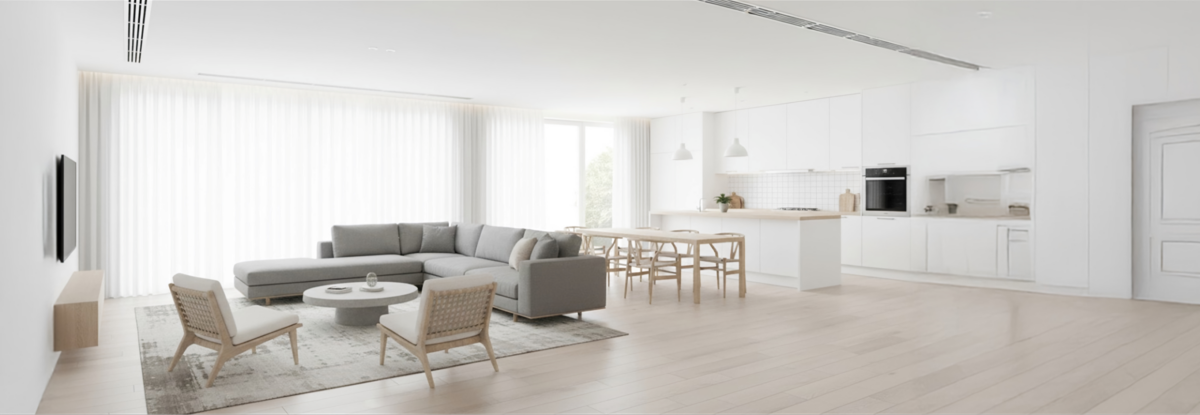
If you’re conditioning multiple rooms with one outdoor unit, each indoor air handler still needs its own BTU size based on that room’s square footage.
Explore MRCOOL multi-zone mini split systems to mix and match indoor unit sizes.
Your outdoor condenser must support the total BTU load. To compare outdoor models, check the full lineup of MRCOOL multi-zone condensers.
Example:
- Bedroom 300 sq ft → 9K
- Office 200 sq ft → 6K
- Living room 550 sq ft → 18K
Total indoor demand: 33K BTU → choose a compatible multi-zone condenser.
- Real-World Sizing Examples
- 400 sq ft bedroom in a moderate climate
→ 12,000 BTU
- 400 sq ft garage in a hot climate
→ 18,000 BTU (size up due to poor insulation + extreme heat)
- 850 sq ft open basement
→ 18,000–24,000 BTU depending on layout and humidity
- Two 250 sq ft rooms
→ Two 9K units paired with a 24K condenser
If you’re unsure whether to tackle the install yourself, compare DIY vs pro mini split installation.
- When to Size Up or Down (Quick Rules)
Size UP if your room has:
- Strong sun exposure
- Many windows
- Poor insulation
- High ceilings
- Extreme climate conditions
- Garage or bonus room characteristics
Size DOWN if your room is:
- Very well insulated
- North-facing or heavily shaded
- A quiet bedroom where comfort consistency matters more than power
To better understand what you receive with a system, see what’s included in a MRCOOL DIY kit.
- Choosing the Right MRCOOL System (By BTU)
Once you know your BTU, match it to the appropriate MRCOOL indoor unit.
Typical DIY single-zone options:
- 6,000 BTU
- 9,000 BTU
- 12,000 BTU
- 18,000 BTU
- 24,000 BTU
If your sizing lands between two options, select the larger BTU unless your insulation is exceptional.
- Final Recommendation
Use the chart as your starting point, adjust for climate, structure, and room type, then select the BTU that best matches your needs. Most homeowners will find an ideal fit in MRCOOL DIY single-zone systems.
If you want confirmation or help with unique spaces, you can always talk to an expert for a personalized recommendation.
FAQ
What if I’m still not sure what size I need?
Use our guided mini split sizing tool for an instant system recommendation tailored to your rooms, climate, and insulation.
- Final Recommendation
Use the chart as your starting point, adjust for climate, structure, and room type, then select the BTU that best matches your needs. Most homeowners will find an ideal fit in MRCOOL DIY single-zone systems.
If you want confirmation or help with unique spaces, you can always talk to an expert for a personalized recommendation.
FAQ
What if I’m still not sure what size I need?
Use our guided mini split sizing tool for an instant system recommendation tailored to your rooms, climate, and insulation.